
The Thrill of Uncertainty
Gambling is inherently tied to the allure of uncertainty and the thrill it provides. People are often drawn to casinos because they offer the chance to win money, but it is the unpredictability of the outcome that truly captivates them. This uncertainty triggers the brain’s reward system, releasing dopamine—a neurotransmitter that enhances feelings of pleasure and excitement. The anticipation of a potential win can evoke a rush unlike any other, making the experience addictive for many. Many players even seek out australian online casinos to enhance their gambling experiences.
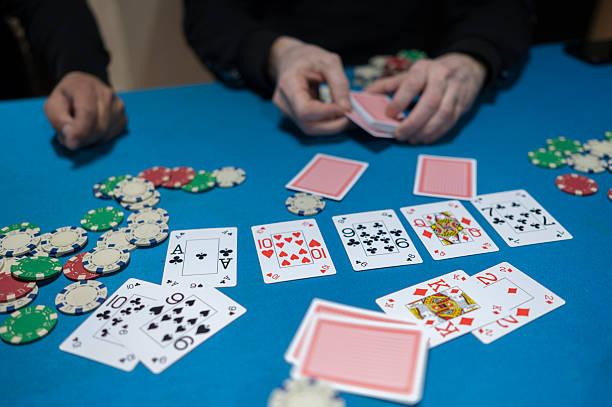
This psychological phenomenon is closely linked to the concept of ‘variable reinforcement.’ Unlike fixed rewards, the unpredictable nature of gambling keeps players engaged and hopeful. Each spin of the slot machine or flip of the card is a new gamble, fueling the desire to play just one more time in hopes of a euphoric win.
The Social Aspect of Gambling
Casinos are social environments that offer more than just games; they provide a place for interaction, entertainment, and community. People often visit casinos with friends or family, enhancing the experience through shared excitement and camaraderie. The social atmosphere can heighten emotions, making wins feel more significant and losses less painful.
Moreover, the social aspect can lead to habitual gambling as individuals seek out the company of fellow players. Engaging in conversations, sharing strategies, and celebrating victories together create bonds that can keep people returning to the casino. This communal experience can reinforce gambling behavior and create a sense of belonging among players.
The Impact of Marketing and Environment
The design and marketing tactics employed by casinos play a significant role in attracting players and influencing their behavior. Bright lights, engaging sounds, and the smell of complimentary drinks work together to create a sensory-rich environment that entices visitors to stay and play longer. Casinos are designed to make players feel comfortable and to encourage impulsive decisions.
Additionally, the use of promotional strategies, such as loyalty programs and enticing bonuses, further entices players to return. These marketing tactics exploit psychological principles, making it difficult for individuals to resist the allure of “free” money or rewards, ultimately leading to extended gambling sessions and increased spending.
The Role of Escape in Gambling
For many individuals, gambling serves as an escape from everyday life. The casino environment offers a temporary reprieve from stress, responsibilities, and personal issues. Players may find solace in the thrill of the game, allowing them to disconnect from their reality, at least for a moment. This escapism can be appealing, particularly for those facing challenges in their personal or professional lives.
However, using gambling as a coping mechanism can lead to problematic behaviors. While it may provide temporary relief, it can also create a cycle of dependency, where individuals increasingly rely on gambling to manage their stress. Understanding this psychological trap is crucial for promoting healthier gambling habits and recognizing when it has become a detrimental escape.

Resources and Support from the Website
This website is dedicated to providing valuable information and resources about gambling, including the psychological aspects of why individuals are drawn to casinos. We aim to help users understand the motivations behind gambling behaviors and promote responsible gaming practices. Our content is designed to share insights and guide individuals towards making informed choices.
In addition to educational resources, we also emphasize the importance of seeking help for those who may be struggling with gambling addiction. By fostering an environment of awareness and support, the website serves as a tool for individuals to better understand their relationship with gambling and to explore healthier alternatives to recreational gaming.

Recent Comments